Global Coffee
Coffee is a journey of flavors. In this friendly guide, we'll travel through different coffee regions—both African and global—and discover what makes each cup unique. For each region, we'll explore typical flavor profiles, highlight famous growing areas, suggest how to brew the coffee to bring out its best, and even recommend tasty food pairings. Whether you're a beginner or an intermediate coffee lover, get ready for a fun world tour of coffee flavors!
Ethiopia – Floral, Fruity, and Tea-Like Delights

Flavor Profile: Ethiopia is the birthplace of coffee, known for some of the most vibrant and complex flavor profiles. Ethiopian beans often taste fruity and floral, with a delicate brightness. You might notice jasmine-like floral aromas, citrusy notes (like lemon or bergamot), and sweet berry or stone-fruit flavors. The variety is huge: for example, Yirgacheffe coffees are famous for bright acidity with jasmine florals and hints of citrus or peach, while Sidamo beans can offer sparkling acidity with orange zest, berries, and even a creamy body. In contrast, naturally processed Harrar coffees from eastern Ethiopia are bolder – expect intense blueberry or wine-like fruitiness, with a heavier body and chocolatey undertones. It's amazing that such distinct tastes (from delicate tea-like clarity to wild fruity richness) all come from one country!
Well-Known Growing Regions: Ethiopia's most celebrated coffee regions include Yirgacheffe, Sidamo, and Harrar. Yirgacheffe, in the south, produces elegant coffees with citrus and floral high notes. Sidamo (also spelled Sidama) is a large region yielding coffees that balance bright citrus, berries, and full body. In the east, Harrar grows at high altitudes and is known for dry-processed "Mocha" coffees with blueberry-like fruit flavors and a winey sweetness. These regions, with their high elevations and rich soils, form the core of Ethiopia's coffee identity.
Brewing Tips: To highlight Ethiopia's delicate and complex notes, gentle brewing methods work best. A pour-over (like a Hario V60 or Chemex) or a simple drip filter is ideal for washed Ethiopian coffees – it brings out clarity and those layered florals and citrus flavors. For example, a Yirgacheffe's jasmine and bergamot notes truly shine when brewed as a pour-over. Natural-process Ethiopian beans (like Harrar) can be more intense; they also taste great in a French press or even as a single-origin espresso, which can unveil their syrupy body and bold fruit/chocolate notes. Ethiopian coffees are often best enjoyed black, so you can appreciate their bright acidity and subtle tea-like qualities without milk or sugar getting in the way.
Perfect Pairings: Ethiopian coffee's light sweetness and floral-fruity character pairs nicely with mild, sweet foods. Try it with a blueberry muffin or a berry tart to echo the coffee's berry notes, or enjoy it with a simple lemon loaf cake to complement the citrus acidity. For Yirgacheffe, a light shortbread cookie or pastry won't overpower its delicate flavors – think of something like a buttery croissant or sugar cookie that lets the jasmine and citrus shine. Ethiopian coffee also goes wonderfully with milk chocolate desserts, which mirror its gentle sweetness without overwhelming it.
Kenya – Bold, Bright, and Berry-Sweet

Flavor Profile: Kenyan coffee is often called "the connoisseur's cup" for its bold, attention-grabbing taste. These beans boast intense, bright acidity (think of a dry wine or tangy fruit) and rich fruity flavors. A classic Kenya will explode with berry and citrus notes – many coffee lovers identify a distinct blackcurrant or blackberry sweetness in the aroma and flavor. You might also detect grapefruit or lemon-like citrus hints, a wine-like richness, and even subtle savory tones (some describe a hint of tomato or pepper). The cup is vibrant, not subtle or shy; Kenyan coffees tend to be full-bodied yet crisp, leaving a dry, winy aftertaste with berry and citrus hints that lingers pleasantly. In short, a great Kenya coffee is juicy, sweet, and lively – if you enjoy big flavors, it's a must-try.
Well-Known Growing Regions: Kenya's best coffees come from its high-altitude central highlands, especially the slopes around Mount Kenya and the Aberdare Range. Areas like Nyeri, Kirinyaga, and Kiambu counties are famous for producing top-grade Kenyan beans. These regions, with volcanic soil and elevations of 1,500–2,000 meters, nurture coffee cherries slowly, concentrating the flavors. You'll often see Kenyan coffees graded "AA" – indicating the largest bean size – from estates or cooperative wet mills in these areas. The consistent climate and meticulous washing processing in Kenya contribute to the clean yet powerfully flavored cup that has put the country on the coffee map.
Brewing Tips: Kenyan coffee's bright acidity and complexity are best showcased with brewing methods that preserve clarity. A pour-over or drip machine is excellent for Kenya – it highlights the nuanced fruity notes and sparkling acidity. Using a Chemex or V60 pour-over with water around 92–96°C (198–205°F) will bring out those juicy blackcurrant and citrus flavors while keeping the cup clean. If the acidity ever feels too sharp, you can try a slightly lower brew temperature or a Clever dripper (which is part immersion) to round it off. Kenyan beans also make fantastic cold brew or iced coffee, since their strong flavors don't get diluted – an iced Kenya can taste like blackberry lemonade in a cup! Generally, we recommend enjoying Kenyan coffee black to appreciate its brightness.
Perfect Pairings: Given Kenya's berry-like sweetness and winey zing, it pairs wonderfully with foods that complement those fruity tones. Berry pastries or desserts are a natural match – for example, a blackcurrant jam tart, blueberry scone, or raspberry Danish will echo the coffee's own berry flavors. Many enthusiasts also enjoy Kenyan coffee with dark chocolate, as the sweetness and slight bitterness of a rich chocolate cake or a piece of dark chocolate can balance the bright acidity of the coffee. If you're having it at breakfast, try it with a fruit salad or a grapefruit brûlée – the coffee's sweetness complements tart fruits nicely.
Rwanda – Sweet, Floral, and Silky Smooth
Flavor Profile: Rwandan coffee is often described as "sweetly floral" and well-balanced, making it a rising star among African coffees. A typical Rwanda brew offers gentle aromas of flowers (think rose or orange blossom) and flavors of citrus and berries. It's somewhat similar to Ethiopian coffee in its light floral notes, but usually with a creamier, tea-like body and medium acidity. In a good Rwanda, you might taste hints of lemon or mandarin orange, a touch of juicy berry (like blackberry or currant), and subtle sweetness like caramel or honey. Some cups even have a delicate black tea or herbal undertone (a reminder of Rwanda's famous tea fields), especially as the coffee cools. Overall, Rwandan coffees tend to be bright but not overly acidic, fragrant but not perfumy, with a silky, smooth mouthfeel that makes each sip very easy to enjoy.
Well-Known Growing Regions: Rwanda may be small, but it has several distinct coffee regions, often named after the provinces or landmarks. Coffee is grown on the countless hills of this "Land of a Thousand Hills." Notable regions include Gakenke and Rulindo (in the north), Nyamasheke and Karongi (near Lake Kivu in the west), and Huye and Nyamagabe (in the southern highlands). One famous area is around Lake Kivu, where volcanic soil and high altitude produce excellent beans. Another is Nyamasheke District (home to the award-winning Bufcafe and Muraho washing stations) which yields coffees with crisp orange and floral notes. Rwanda's coffee is mostly of the Bourbon variety, grown between 1,200–1,800 meters.
Brewing Tips: Rwandan coffee is delicate, so a gentle touch in brewing brings out its best. A standard drip coffeemaker or pour-over filter is highly recommended, as it will highlight the coffee's lovely floral aromas and clear sweetness. Using a medium grind and water around 93°C (200°F) is a good start. Avoid very long immersion methods like French press for Rwandan beans, because the extended contact and coarse grind can muddle or overpower the subtle notes. Instead, try a Hario V60 pour-over to accentuate those rose and citrus high notes – you'll get a clean cup with a nice bright finish. One fun tip: Rwandan coffee often cools well (the flavors open up as it cools), so it's a great candidate for brewing hot and tasting as it cools to lukewarm.
Perfect Pairings: With its floral, citrus, and honeyed profile, Rwanda's coffee pairs best with foods that are mild and sweet, so as not to drown out its nuances. Light pastries and brunch treats are wonderful companions. For instance, a buttery croissant or a flaky puff pastry allows you to appreciate the coffee's rose-like aroma between bites. Many fans suggest pairing Rwanda brews with a lemon poppy seed muffin or an orange-zest scone, which echo the coffee's citrus notes. A vanilla shortbread cookie or almond biscotti also works nicely, adding a touch of sweetness that complements Rwanda's subtle caramel undertones.
Tanzania – Bright, Winey, and Hint of Spice
Flavor Profile: Tanzanian coffee often flies under the radar, but it offers a wonderful East African cup that's somewhat akin to Kenya's, but uniquely its own. A good Tanzania coffee is bright and vibrant, with a wine-like acidity (sometimes a tangy blackcurrant or white wine quality) but usually a bit softer than Kenya's acidity. The flavor typically includes sweet, fruity notes – often berry-like or stone fruit sweetness – along with herbal or cedar hints and a rich undertone of chocolate. Many Tanzanian beans, especially the famous Peaberry, have a medium to full body that can feel creamy or silky despite the brightness. Common tasting notes for Tanzania include black tea, juicy lemon or kiwi-like acidity, ripe blackberry, and occasionally a peppery or savory hint in the finish. There's often a lovely sweetness (molasses or brown sugar) aroma when you grind the beans.
Well-Known Growing Regions: Tanzania's coffee grows mostly in the north and south of the country. In the north, the legendary area is the slopes of Mount Kilimanjaro and Mount Meru, near the town of Moshi and Arusha. These high-altitude regions (1,400–1,800m) produce Tanzania's most distinctive coffees – often marketed as "Kilimanjaro" or "Arusha" coffee – with bright acidity and complex flavor. The volcanic soil there contributes to the coffee's winey character. Another famous offering is Tanzania Peaberry, which isn't a region but a type of bean (peaberries are single round beans from inside the coffee cherry). Peaberry lots often come from Kilimanjaro region and are prized for their concentrated flavor – notes of chocolate, citrus, and black tea are commonly noted in Tanzania Peaberry.
Brewing Tips: Tanzanian coffee's bright yet balanced nature makes it versatile in brewing. To really enjoy its lively acidity and layered notes, a pour-over or drip method is excellent. Try brewing with a Kalita Wave or standard drip machine – this will emphasize the clarity of those berry and citrus flavors, as well as the clean finish. Using water around 93°C and a medium grind works well. Since Tanzania's acidity is a touch lower than Kenya's, you could also use a French press if you want to draw out more body and highlight any chocolatey undertones. One fun trick: Tanzania's subtle sweet-spicy nuances (like that hint of cedar or black tea) can become more pronounced as the coffee cools a bit.
Perfect Pairings: Tanzanian coffees, with their fruit-forward and mildly spicy character, pair nicely with foods that highlight fruits, nuts, or gentle sweetness. A great choice is stone fruit pastries: since Tanzanian brews can have apricot or peachy notes, try them with an apricot Danish or peach cobbler. Similarly, a plum tart or fig bar could complement the subtle winey aspect of the coffee. For breakfast or snack pairings, you can't go wrong with a banana bread or date muffin – these have a rich sweetness that pairs with Tanzania's full body, yet won't overpower the coffee's brightness. If you'd like something with a bit of spice (to match those cedar/pepper undertones), consider a cinnamon raisin roll or ginger cookie.
Colombia – Balanced, Sweet, and Universally Pleasing
Flavor Profile: Colombian coffee is often considered the "classic" cup – wonderfully balanced and smooth. These coffees typically have a medium body and medium acidity, striking a delicious middle ground between bright and bold. In flavor, Colombian beans are known for their sweet, chocolatey, and nutty notes, often accompanied by a hint of fruit. Think milk chocolate, caramel, and toasted nuts (like almond or hazelnut) as the base flavors, with delicate touches of orange, red apple, or berries adding complexity. The aroma can be sweet and inviting, sometimes with a caramel or cocoa fragrance. When you sip, nothing really punches you in the face; instead, you get a well-rounded profile: a bit of brightness (gentle citrus or red fruit acidity), a comforting sweetness (toffee or brown sugar), and a mellow finish (maybe a whisper of spice or nuttiness).
Well-Known Growing Regions: Colombia has several famous coffee-growing regions (often referred to by their department names). Among the most renowned are Antioquia, Huila, Tolima, and Nariño. Each region has its slight twist on the flavor:
Antioquia (northwest Colombia) – home to the city of Medellín, produces coffees known for balanced, sweet flavors with nutty and fruity notes. Antioquia's cup is often the quintessential Colombian: well-rounded with a pleasant sweetness (you might taste hints of milk chocolate and orange).
Huila (southwest Colombia) – a top-quality region that gives bright acidity, medium body, and fruity sweetness. Huila coffees often have vibrant fruit notes like tangerine or cherry, plus caramel and nut tones.
Tolima (central Colombia) – known for coffees grown in rich volcanic soil. They tend to be aromatic, with medium body and a richer, deeper sweetness (think intense aroma, maybe a bit of spice or floral, with a robust cup).
Nariño (far southwest, Andean mountains) – produces some of Colombia's highest-grown coffees. These are prized for bright, crisp acidity and refined sweetness.
Brewing Tips: Colombian coffee's versatility means you can brew it in almost any method and get a satisfying cup. For starters, a basic drip coffee maker or pour-over is perfect to enjoy the balance. Using a medium grind and a standard coffee-to-water ratio (~1:15 or 1:16) will usually yield a smooth, fragrant brew with all the chocolate and sweet notes well-extracted. Because Colombian beans often have that nice sweetness and medium body, they also do well in immersion methods: a French press will amplify the body and bring out deeper caramel flavors. If you want to emphasize the brightness and clarity, go with a Chemex or drip filter. One strength of Colombian coffee is consistency – it tends to deliver a good flavor in espresso too.
Perfect Pairings: Colombian coffee's sweet and nutty profile makes it a dream with many foods, especially baked goods and desserts that have complementary flavors. One classic pairing is carrot cake with Colombian coffee. The cake's cinnamon, nuts, and sweet cream cheese frosting match the coffee's gentle spice, nutty notes, and sweetness perfectly. Another fantastic match is a cinnamon bun or sticky bun, since Colombian brews often carry caramel and subtle spice notes that echo the cinnamon and brown sugar. If it's breakfast time, have your Colombian coffee with buttery toast and orange marmalade or banana nut muffins – the coffee's mild acidity complements citrus jam, and its nuttiness complements walnuts or pecans in a pastry.
Brazil – Chocolatey, Nutty, and Smoothly Low-Acid
Flavor Profile: Brazilian coffee is all about comforting, rich flavors and low acidity. As the world's largest coffee producer, Brazil primarily grows Arabica beans that are naturally mellow. A typical Brazilian coffee has a full or medium-full body, very low acidity (no sharp tang), and an abundance of sweet, deep notes. Common tasting notes include chocolate (from sweet milk chocolate to darker cocoa), caramel or toffee, and roasted nuts (often peanut or almond-like). There's a pronounced sweetness – sometimes you'll taste a kind of caramelized sugar or molasses quality. Because many Brazilian beans are dry-processed (natural), they can have a slightly fruity undertone (like a mellow berry or dried fruit sweetness), but it's usually subtle and behind the chocolate-nut flavors.
Well-Known Growing Regions: Brazil's coffee comes from several states, given the country's vast size. Key regions include Minas Gerais, São Paulo, Espírito Santo, and Bahia.
Minas Gerais (particularly areas like Sul de Minas, Cerrado Mineiro) produces a huge portion of Brazil's coffee. Minas coffees are classic: nutty, chocolatey, with medium body. One famous market name is Bourbon Santos, traditionally coming from Minas and São Paulo, known for its smooth, medium-high quality and gentle profile.
São Paulo (e.g. Mogiana region) – known for slightly higher altitudes (900–1100m) which can add a bit of brightness. Mogiana coffees are often sweet, chocolaty, and very clean, considered among the best Brazils.
Espírito Santo – mainly grows Robusta (Conilon) and lower-altitude Arabica, so not as known in specialty Arabica circles, but still important.
Bahia (northeast) – a newer region with irrigated farms, producing some interesting coffees with bright, citric hints and balanced sweetness in recent years.
Brewing Tips: Brazilian coffees are very forgiving and excellent for methods that emphasize body and sweetness. Perhaps the quintessential way to enjoy Brazil is as an espresso. In fact, many espresso enthusiasts choose Brazilian single-origins because the low acidity and chocolate-nut flavors yield smooth, sweet shots. If you have an espresso machine, try pulling a shot of a medium-dark roasted Brazil – you'll likely get thick crema and notes of caramel and cocoa. For non-espresso, the French press is a fantastic method for Brazil beans. A French press allows the coffee's natural oils and solids to remain, resulting in a full-bodied cup that highlights the coffee's creamy, chocolatey character. Another favorite is cold brew: Brazils make one of the best cold brews because they turn out velvety, dessert-like flavors (think iced mocha, naturally).
Perfect Pairings: With its chocolatey, nutty, and sweet flavor, Brazilian coffee begs to be enjoyed with desserts and breakfast treats, especially those involving chocolate, caramel, or nuts. One of the best pairings is simply chocolate cake or brownies with a cup of Brazil. The rich cocoa in the food mirrors the coffee's cocoa notes, making for a decadent duo. If you're having breakfast, try Brazil coffee with bacon and eggs or a ham quiche – surprisingly, the coffee's low acidity and smoothness complement savory, salty foods. For a sweet breakfast, doughnuts are a match made in heaven with Brazilian coffee. The sugary, buttery flavors of a classic donut (or a cinnamon roll) go hand-in-hand with Brazil's sweet, mellow profile.
Guatemala – Cocoa-Rich, Spicy, and Complex
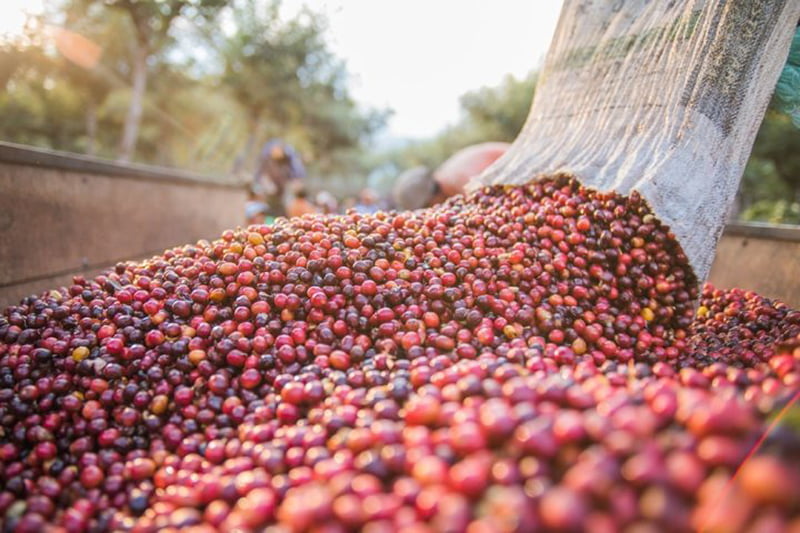
Flavor Profile: Guatemalan coffee is revered by many for its complex and layered flavor profile, often described as a harmonious mix of cocoa-like sweetness, bright fruit, and gentle spice. A classic Guatemala (especially from the Antigua region) has a lively acidity (think citrusy or apple-like), a full or medium body, and a rich sweetness reminiscent of fine chocolate or caramel. You might notice deep notes of cocoa powder or milk chocolate, a sugary sweetness like brown sugar or toffee, and a hint of spice – perhaps a touch of cinnamon, nutmeg, or a smoky undertone. There's often a floral or honey aspect in the aroma of high-grown Guatemalan beans, adding to their complexity. Overall, Guatemala strikes a lovely balance: sweet and dessert-like, yet also bright and aromatic.
Well-Known Growing Regions: Guatemala has several distinguished coffee regions, each contributing to the country's variety of flavors. The most famous is Antigua, a valley surrounded by three volcanoes. Antigua coffees are Strictly Hard Bean (grown at high altitudes) and are known for their full body, fine acidity, and notes of chocolate, caramel, and subtle smoke/spice. An Antigua brew often gives a comforting mix of cocoa and sweetness with that light smoky spice, making it quite famous worldwide. Another key region is Huehuetenango (in the northwestern highlands). Huehuetenango coffees are grown at very high elevations and are celebrated for being bright, fruity, and sweet – they can have flavors of juicy citrus, apricot or peach, and distinct sweetness like honey or panela, while still maintaining a nutty/chocolate backbone.
Brewing Tips: Guatemalan coffee's mix of brightness and body means it performs well in many brewing methods, but pour-over and drip methods can highlight its clarity best. Using a Chemex or Hario V60 pour-over with medium-fine grind will emphasize the coffee's high notes – you'll taste those citrus or floral nuances on top of the cocoa base. On the other hand, a Clever Dripper or a filtered immersion (like a Kalita, or simply letting it steep briefly before filtering) can bring out a bit more body and depth, which suits the chocolatey aspect. A standard drip machine works reliably too – Guatemalan coffees often shine in regular coffee makers, producing a cup that's both bright and satisfying without any fuss.
Perfect Pairings: Given its chocolate and subtle spice flavors, Guatemalan coffee is a natural partner for desserts and treats that feature similar notes. A top recommendation is pairing it with chocolate desserts. For instance, a rich chocolate cake or brownie will resonate with the coffee's cocoa tones. The sweetness of the dessert also complements the coffee's inherent sweetness. Additionally, cinnamon-spiced pastries make a lovely match. Picture a cinnamon roll or snickerdoodle cookie alongside a cup of Guatemalan – the cinnamon in the pastry mirrors any spice hints in the coffee, and the pastry's sugar highlights the coffee's caramel notes. Guatemalan coffee often has a subtle nutty undertone too, so pecan pie or almond tart can be fantastic, blending nutty, caramel flavors with the coffee's profile.
Indonesia (Sumatra) – Earthy, Spicy, and Full-Bodied
 – Earthy, Spicy, and Full-Bodied.png)
Flavor Profile: Indonesian coffees, particularly those from Sumatra, are famous for being bold, earthy, and low in acidity – a completely different vibe from the bright African coffees. A typical Sumatra coffee presents a heavy, syrupy body (it can feel almost creamy or brothy in mouthfeel) and very little acidity, which makes it taste smooth and mellow despite intense flavors. The flavor notes are often described as earthy and spicy: you might catch woodsy or herbal tones (think cedar, pine, or sweet tobacco), warming spices (like cinnamon, clove, or cardamom), and dark chocolate or cocoa. Some Sumatrans even have a savory or umami hint, sometimes compared to mushroom or peat, which sounds odd but can be quite pleasant in balance. There's often a deep sweetness underpinning these flavors, reminiscent of molasses or brown sugar, and occasionally a winey or dried-fruit note due to the unique processing (like raisin or prune flavors).
Well-Known Growing Regions: Indonesia is an archipelago, and several islands produce coffee. The most renowned is Sumatra, especially regions within Sumatra like Aceh (Gayo Highlands), Lintong (near Lake Toba), and Mandheling (a trade name often referring to North Sumatra coffees).
Sumatra Mandheling (North Sumatra) is famous for being bold, syrupy, with rich chocolate and earthy herbaceous flavors. It embodies the classic Sumatra profile.
Sumatra Lintong tends to be a bit "cleaner" – still earthy and full-bodied, but with a hint of herbal brightness or less muddiness. Lintong coffees often have cedar and spice notes with medium body.
Gayo (Aceh) coffees from the far north can be complex, sometimes showing a little more fruit or sweetness layered with the herbal notes. Many Gayo coffees are organic and have a cult following.
Outside Sumatra, Java was historically famous (Java's arabica coffees are smoother and lighter-bodied than Sumatra's, often with sweet, clean profiles and subtle herb notes). Sulawesi (Celebes) produces Toraja coffee, which is also low-acid and known for earthy, syrupy flavors but often with a bit more nuttiness and clarity.
Brewing Tips: To get the most out of an Indonesian coffee's heavy body and complex flavors, immersion brewing methods are highly recommended. A French press is arguably the best way to brew a Sumatra or Sulawesi, because it preserves all the oils and solids that give the coffee its weight and depth. The result is a thick, full-bodied cup that delivers the earthy, spicy notes in full force, much like the traditional way Sumatrans themselves might boil coffee. Using a French press with Sumatra, expect a cup that feels almost velvety, with those herbal and chocolate notes very pronounced. Yes, espresso can also be great: while a single-origin Sumatran espresso will be low in crema (due to the wet-hull processing) and very intense, it can taste like liquid spice chocolate – interesting on its own, and it makes a superb base in blends.
Perfect Pairings: Indonesian coffees, like Sumatra, are robust and can pair with bolder flavors and richer foods than more delicate coffees might. A classic pairing is dark chocolate – the bitterness and depth of a good dark chocolate truffle or a slice of flourless chocolate cake complements the earthy, low-acid Sumatra perfectly. You'll find that the coffee almost tastes sweeter when eaten with a bittersweet chocolate dessert, as the two enhance each other. Another superb match is caramel or toffee-based desserts. For example, a caramel flan or crème caramel goes wonderfully with Indonesian coffee. The rich caramel echoes the sweet, syrupy notes in the coffee while the custard's creaminess contrasts the coffee's spice. Speaking of spice, spice cakes and cookies are brilliant here. Think gingerbread, molasses cookies, or cinnamon raisin bread.
Yemen – Winey, Chocolaty, and Truly Exotic

Flavor Profile: Yemeni coffee is a treat steeped in history – in fact, the word "mocha" comes from the Yemeni port of Mocha, hinting at the coffee's famed chocolate-like flavor. A great Yemeni coffee (often from regions like Haraz or Mattari) is richly flavored with a medley of chocolate, fruit, and spice notes. Expect a deep, bittersweet chocolate or cocoa taste, often accompanied by a winey fruitiness – you might catch hints of dark berry, raisin, or dried cherry in the cup. There's also usually a unique spiciness or floral aroma, which can manifest as hints of cinnamon, cardamom, or even a malty, maple-like note. Yemeni coffees are typically naturally processed (dry-processed on rooftops under the sun), which contributes to their heavy body and complex sweetness. They are often described as having a "wild" or intense flavor, with a bright acidity that's balanced by syrupy body.
Well-Known Growing Regions: Yemen's coffee is grown in the high mountains on terraced fields. The main regions (often reflecting traditional market names) include Haraz (or Harazi), Mattari (Bani Matar), Ismaili, and Sanani. Each of these names has been known in coffee history for centuries:
Haraz – Coffees from the Haraz mountains (west of the capital Sana'a) are among the most celebrated. They often display intense fruity flavors (berry, wine) and chocolate notes, with aromatic spice. "Ismaili" is sometimes used to denote certain Haraz coffees known for exceptional quality and perfumed aroma.
Mattari – From Bani Matar region, known for a distinct chocolatey cup with less acidity and more heavy body. Mocha Mattari is famed for being deep, chocolaty, with a syrupy sweetness – one reason "Mocha" became associated with chocolate-coffee flavor.
Sanani – Refers to coffees collected around Sana'a (which might include mixed lots from various small villages). Sanani coffees traditionally are winey, full-bodied, with a bit of earthiness and spice.
Because Yemen's coffee farms are tiny and processing is old-style, coffees are often exported simply as "Mocha" or "Matari" without specific farm traceability. The term "Mocha" in the coffee context always means Yemeni coffee historically. In blends, "Mocha Java" is the combo of Yemeni Mocha with Indonesian Java, a classic old-world blend balancing fruity and earthy.
Brewing Tips: Given its richness (and cost), you'll want to brew Yemeni coffee carefully to savor every drop. A pour-over method is an excellent choice to highlight the coffee's complexity. Using something like a Hario V60 or Kalita Wave with a medium grind can help separate the layers of flavor – you'll notice the bright fruit notes sparkle and the finish of chocolate comes through clearly. Aim for a water temperature around 90–93°C (194–200°F); Yemeni coffees can sometimes have a bit of natural dryness or astringency (from the fruit drying process), so slightly cooler water can smooth the edges and accentuate sweetness. Another great method is a siphon (vacuum pot) if you have one – it tends to preserve aroma and highlight clarity while giving a nice body, and Yemeni coffee's aromatic oils will shine in a siphon brew.
Perfect Pairings: Yemeni coffee's chocolate and fruit tones make it perfect to pair with sweets, especially those with a Middle Eastern flair (naturally!). A traditional pairing would be baklava, the honey-nut pastry. The sweet, flaky, nutty profile of baklava wonderfully complements Yemen coffee's rich, spiced sweetness – each sip of coffee cleanses the syrupy sweetness of the baklava and highlights the coffee's own subtle honey and spice notes. Another great pairing is dark or milk chocolate – since Yemeni coffee naturally has mocha flavors, enjoying it with a piece of chocolate amplifies that pleasure. Particularly, milk chocolate goes well with Yemeni coffees; imagine a silky milk chocolate truffle melting on your tongue then washing it down with a fruity mocha-like coffee sip – divine!
Conclusion
From the berry-bright coffees of Africa to the chocolatey, nutty brews of Latin America, and on to the earthy and spicy cups of Indonesia and Yemen, the world of coffee is vast and exciting. Each region offers a unique taste of its geography and culture, whether it's Ethiopia's floral elegance, Kenya's bold fruitiness, Colombia's smooth balance, or Sumatra's deep earthiness. By understanding their typical flavors and how to brew them, you can travel the world one cup at a time. And don't forget to enjoy some delicious snacks alongside – a fruity Ethiopian with a blueberry scone, or a rich Brazilian with a chocolate brownie can elevate your coffee experience to new heights.
We hope this caffeinated tour has been both educational and mouthwatering. The tone and flavor in your mug can indeed transport you to the high mountains of Rwanda or the tropical fields of Guatemala. So, next time you're brewing coffee from a different origin, recall these notes: try the suggested brewing method, take a whiff of those aromas, identify the flavors, and maybe grab a complementary treat. Most of all, have fun with it. Coffee, after all, is a journey best enjoyed sip by sip. Happy brewing and tasting!